
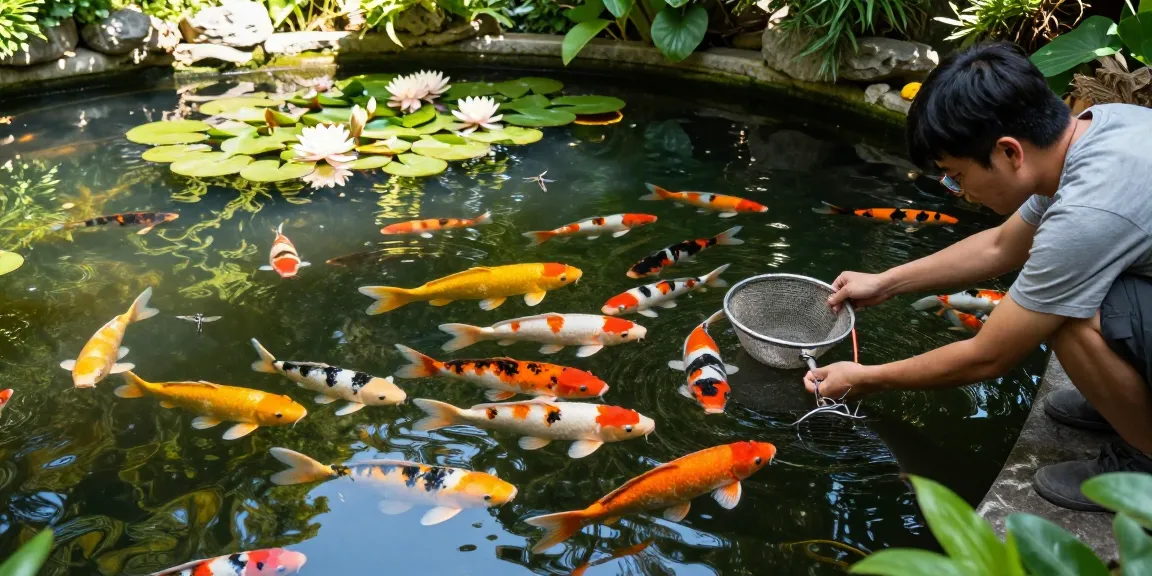
Understanding Koi Aminos: What They Are
Koi aminos, a specialized form of amino acid supplementation for koi fish, have gained significant attention in the aquaculture industry for their essential role in promoting optimal health and growth. As aquarists seek to optimize their koi’s well-being, understanding the importance of these nutrients is paramount. When exploring options, Koi Aminos provides comprehensive insights into how these supplements can support your koi’s nutritional needs.
Defining Koi Aminos and Their Importance
Amino acids are the building blocks of proteins, which are crucial for nearly every biological process. Koi aminos specifically refer to the essential and non-essential amino acids that are vital for koi fish. These compounds facilitate growth, repair tissues, and help produce enzymes and hormones, ensuring that koi thrive in their environment. The significance of koi aminos cannot be overstated; they contribute to a fish’s overall vitality and resilience, enabling koi to adapt to various conditions in their aquatic habitat.
The Role of Amino Acids in Koi Health
Amino acids play multiple roles in koi health. They are fundamental for muscle development, growth, and recovery from stress or injury. For instance, branched-chain amino acids (BCAAs) are particularly important for muscle repair and energy production, which is crucial during high-stress situations such as spawning or disease outbreaks. Furthermore, amino acids are involved in the synthesis of neurotransmitters, which can affect koi behavior and overall quality of life.
How Koi Aminos Differ from Other Nutritional Supplements
Unlike standard vitamins and minerals, koi aminos are specifically aimed at filling gaps in protein requirements. While many nutritional supplements provide a broad spectrum of vitamins, koi aminos focus on delivering targeted amino acids that are often lacking in commercial koi diets. This specificity allows for improved absorption and utilization, enhancing the dietary effectiveness and overall health of the fish.
Benefits of Koi Aminos for Your Fish
Enhancing Growth and Development in Koi
One of the most compelling advantages of incorporating koi aminos into a fish’s diet is the enhancement of growth and development. Research indicates that fish receiving adequate amino acid supplementation exhibit accelerated growth rates compared to their counterparts. This is particularly important in competitive settings, such as koi shows, where size and health are paramount.
Boosting Immune Function with Koi Aminos
Koi aminos also play a critical role in boosting immune function. Amino acids such as glutamine help strengthen the fish’s immune response, making them more resilient to diseases and environmental stressors. In environments where toxins or pathogens are prevalent, such as overcrowded ponds or during seasonal changes, ensuring koi receive sufficient amino acids can be a game-changer in disease prevention and longevity.
Improving Coloration and Overall Appearance
Many koi enthusiasts are keenly aware that coloration is a significant factor in koi aesthetics. Certain amino acids, particularly those involved in melanin production, can enhance the vibrancy and depth of color in koi. By providing a well-rounded diet rich in these nutrients, owners can ensure their koi not only grow healthily but also present stunning appearances, making them more appealing in aquariums and competitions.
Common Challenges in Using Koi Aminos
Misconceptions About Amino Acid Supplements
Despite their benefits, there are common misconceptions surrounding koi aminos. Some fish owners mistakenly believe that protein content alone suffices for nutritional needs, disregarding the importance of amino acids. This can lead to imbalanced diets, resulting in stunted growth or health issues. Understanding the distinct roles of amino acids is crucial for effective supplementation.
Identifying Signs of Koi Aminos Deficiency
Koi can exhibit various signs of amino acid deficiency, including stunted growth, poor coloration, and a weakened immune system. Monitoring behavioral changes, such as lethargy or reduced appetite, can also indicate potential nutrient deficiencies. It’s essential for aquarists to stay vigilant and consider incorporating koi aminos into their feeding regimen if these symptoms arise.
How to Avoid Over-Supplementation in Koi
While supplementation can be beneficial, over-supplementation can cause toxicity or imbalance in the koi’s diet. It is crucial to follow recommended guidelines regarding doses and frequency. Conducting regular health assessments and consulting a nutrition expert can help maintain optimal balance while benefiting from koi aminos.
Best Practices for Incorporating Koi Aminos
Feeding Frequency and Quantity Guidelines
To effectively incorporate koi aminos into your koi’s diet, establish a clear feeding schedule. Most experts recommend administering koi aminos in small, frequent doses to prevent overloading the fish’s system. Typically, feeding should occur once or twice a day, depending on environmental factors and the specific health needs of the fish.
Choosing Quality Supplements: What to Look For
Selecting high-quality koi amino products is crucial for ensuring effectiveness. Look for supplements that contain a full spectrum of essential and non-essential amino acids, preferably sourced from reputable manufacturers. Additionally, consider the form of amino acids—liquid forms may be more easily absorbed, while powders might be more cost-effective.
Monitoring Koi Health After Amino Acid Supplementation
After introducing koi aminos into the diet, ongoing monitoring is essential. Keep a close eye on growth rates, coloration, and overall health. Regular water quality tests can also provide vital information regarding the koi’s environment, aiding in making necessary adjustments to dietary intake or supplementations.
Future Trends: Koi Nutrition in 2026 and Beyond
Emerging Research on Koi Nutritional Needs
As the aquaculture industry evolves, so does research surrounding koi nutritional needs. Future studies are expected to delve deeper into the specific amino acid profiles beneficial for different koi strains, providing tailored supplementation strategies. Moreover, better understanding of gut microbiota in koi may lead to enhanced absorption techniques and improved overall health.
The Impact of Environmental Changes on Koi Diet
Environmental factors, such as water quality and temperature shifts, are anticipated to impact koi diets significantly. As aquarists navigate these changes, they may need to adapt their feeding practices, incorporating more targeted amino acid supplementation to counterbalance potential deficiencies arising from altered living conditions.
Innovations in Koi Farming and Aquaculture Practices
Innovations in koi farming, including advancements in breeding and feeding technology, are set to reshape how koi nutrition is approached. The integration of biotechnology may lead to the development of specialized feeds that release amino acids gradually, ensuring sustained nutritional benefits and reducing waste.